

Germany 5 Mark 1936-1939 KM#94 coin value
Description
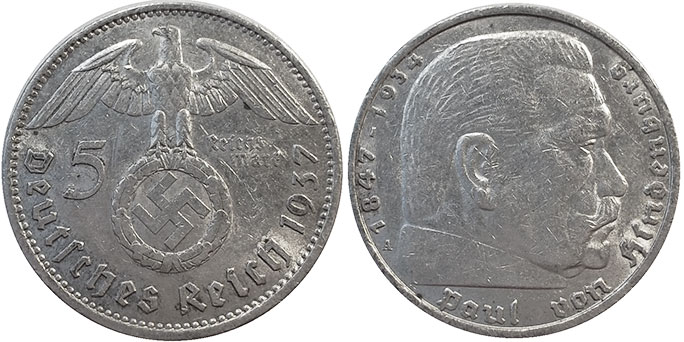
Country - German Third Reich (1933-1945)
Ruler - Chancellor Adolf Hitler (1934-1945)
Monetary system - Mark = 100 pfennig
Type - Regular issue
Material - Silver 0.900
Diameter - 29 mm.
Weight - 13.88 grams
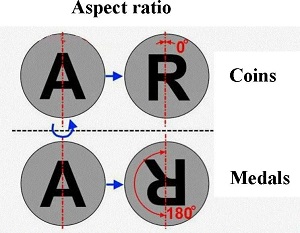
Aspect ratio - Medal
Years of minting
1936, 1937, 1938, 1939
Edge:
Inscription - GEMEINNUTZ GEHT VOR EIGENNUTZ (PUBLIC WEALTH COMES BEFORE THE PERSONAL WEALTH)
Krause catalog number - KM#94
Obverse
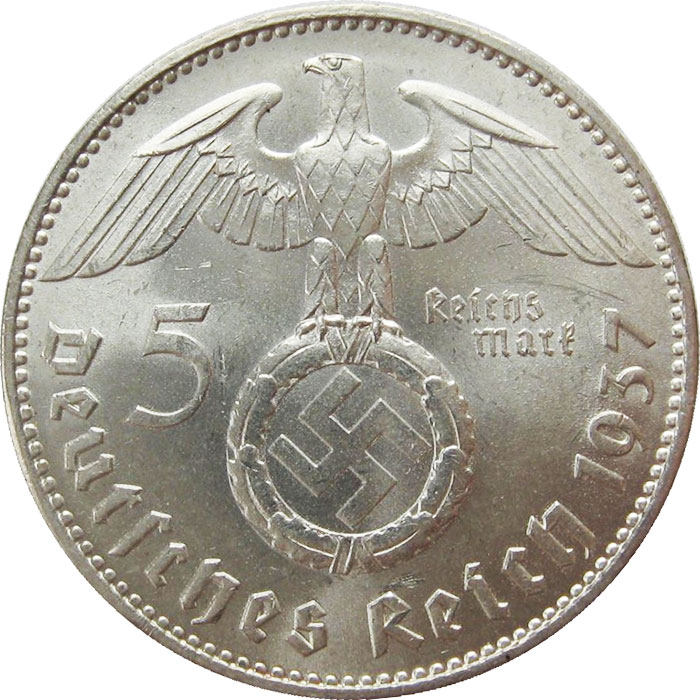 Eagle holding a wreath with a swastika
Legend: 5 REICHS MARK / DEUTSCHES REICH (5
REICHS MARK / GERMAN STATE) Year
Reverse
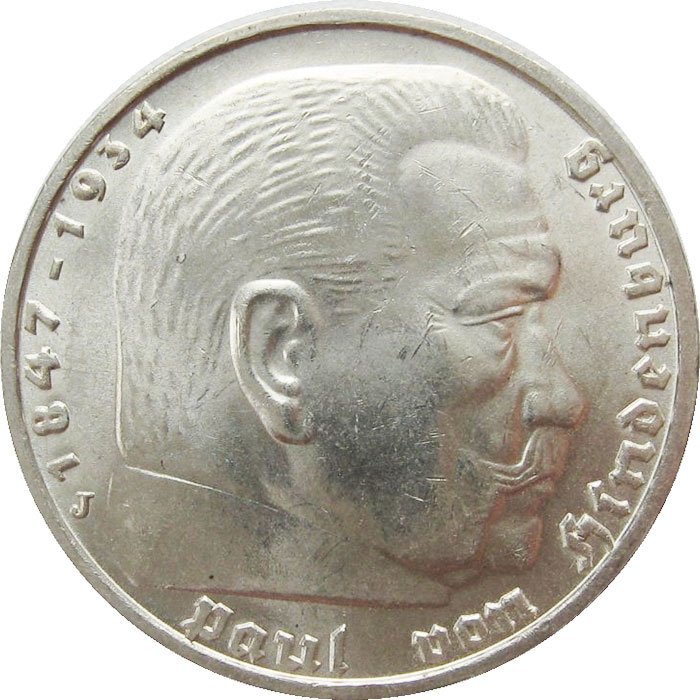 Large head of
Hindenburg (military leader and Reich President of Germany from 1925 to 1934)
Large head of
Hindenburg (military leader and Reich President of Germany from 1925 to 1934)
Legend: PAUL VON HINDENBURG / 1847-1934 (years of life)
Value of the 5 Mark 1936-1939
According to tradition, the largest number of coins were minted at the Berlin Mint ("A" symbol to the left of the head, before the date 1847-1934). If all other things being equal, coins marked "A" are slightly cheaper, but in general, the price of this type of coin does not much depend on the mint.
Mint Marks on German Coins
- A - Berlin
- D - Munich
- E - Dresden
- F - Stuttgart
- G - Karlsruhe
- J - Hamburg
Coin Price and Condition
The value of a coin greatly depends on its condition. As you can see in the table below, the price of a coin from the same year and mint can differ by more than five times. And this is despite the fact that in this case, the worst condition is indicated by VF, since for this particular type, it makes no sense to consider coins in worse condition due to their lack of demand and, consequently, low value.
Designation of the degree of preservation of coins (from worst to best)
Non-canonical definitions - I write them as I understand them.
- G (Good) - judging by the name, "good" but no. This is a specimen on which the signs of a coin are barely visible. Relevant only for extremely rare coins.
- VG (Very Good) - slightly better than the previous one, but not by much. Also only for rarities.
- F (Fine) - seemingly "fine", but again, no. This is a very common condition for coins that have been in circulation for a long time—with numerous scratches, nicks, abrasions, etc.
- VF (Very Fine) - most coins "in the wallet" are this grade, with minor abrasions and scratches.
- XF (Extremely Fine) - barely used. Minor scratches and very minor abrasions are acceptable. They are also often found in wallets.
- UNC (Uncirculated) - without signs of circulation.
- BU (Brilliant Uncirculated) - improved minting, especially for collectors.
Of course, this is not an exhaustive classification, but simply a guide to understanding the price table.
Price Table for 5 Marks 1936-1939
Costs in US dollars.
| Year / mint | Mintage | Condition | |||
| VF | XF | UNC | BU | ||
| 1936 A | 8,430,000 | 15 | 20 | 30 | 50 |
| 1936 D | 1,872,000 | 20 | 25 | 50 | 70 |
| 1936 E | 870,000 | 20 | 30 | 50 | 80 |
| 1936 F | 1,732,000 | 20 | 25 | 45 | 80 |
| 1936 G | 743,000 | 20 | 35 | 80 | 100 |
| 1936 J | 640,000 | 35 | 50 | 100 | 150 |
| 1937 A | 6,662,000 | 15 | 20 | 30 | 50 |
| 1937 D | 2,173,000 | 15 | 20 | 40 | 60 |
| 1937 E | 1,490,000 | 20 | 25 | 45 | 80 |
| 1937 F | 1,578,000 | 20 | 25 | 40 | 60 |
| 1937 G | 1,472,000 | 20 | 25 | 45 | 80 |
| 1937 J | 2,191,000 | 20 | 25 | 45 | 80 |
| 1938 A | 6,789,000 | 15 | 20 | 30 | 50 |
| 1938 D | 1,304,000 | 20 | 25 | 40 | 60 |
| 1938 E | 425,000 | 20 | 25 | 50 | 100 |
| 1938 F | 740,000 | 20 | 25 | 40 | 80 |
| 1938 G | 861,000 | 20 | 25 | 50 | 80 |
| 1938 J | 1,302,000 | 20 | 25 | 40 | 70 |
| 1939 A | 3,428,000 | 20 | 25 | 30 | 50 |
| 1939 B | 1,942,000 | 20 | 25 | 35 | 60 |
| 1939 D | 1,216,000 | 25 | 35 | 50 | 70 |
| 1939 E | 1,320,000 | 40 | 50 | 70 | 150 |
| 1939 F | 1,060,000 | 30 | 40 | 50 | 100 |
| 1939 G | 576,000 | 40 | 60 | 100 | 150 |
| 1939 J | 1,710,000 | 20 | 35 | 60 | 100 |
As the table shows, the mintages are quite large, 5 Mark
coins from 1936-1939 are not uncommon. Therefore, collectors prefer to own coins
of this type in excellent condition, and 5 Mark coins with Hindenburg in
condition worse than XF not popular. Naturally, the price for specimens in poor condition
is low, approaching
the value of the silver contained in the coin.
Notes
The image of the German 5 Mark coin from 1936-1939
on this page is simply an example of this type of mintage. The price is approximate and can only serve as a rough estimate, taking into account the stated condition, year of issue, and other factors that affect the price (such as mint defects).
See other German coins.
I do not buy or sell coins - this is just a catalog.